

Hey! Welcome to the latest Creators’ AI Edition.
This week, Anthropic dropped Claude Opus 4.6, and OpenAI is keeping pace with GPT-5.3-Codex. Figma rolled out Vectorize, Amazon made Alexa+ fully browser-ready, Kling 3.0 leveled up multi-scene video generation, and more.
But let’s get everything in order.
Featured Materials 🎟️
News of the week 🌍
Useful tools ⚒️
Weekly Guides 📕
AI Meme of the Week 🤡
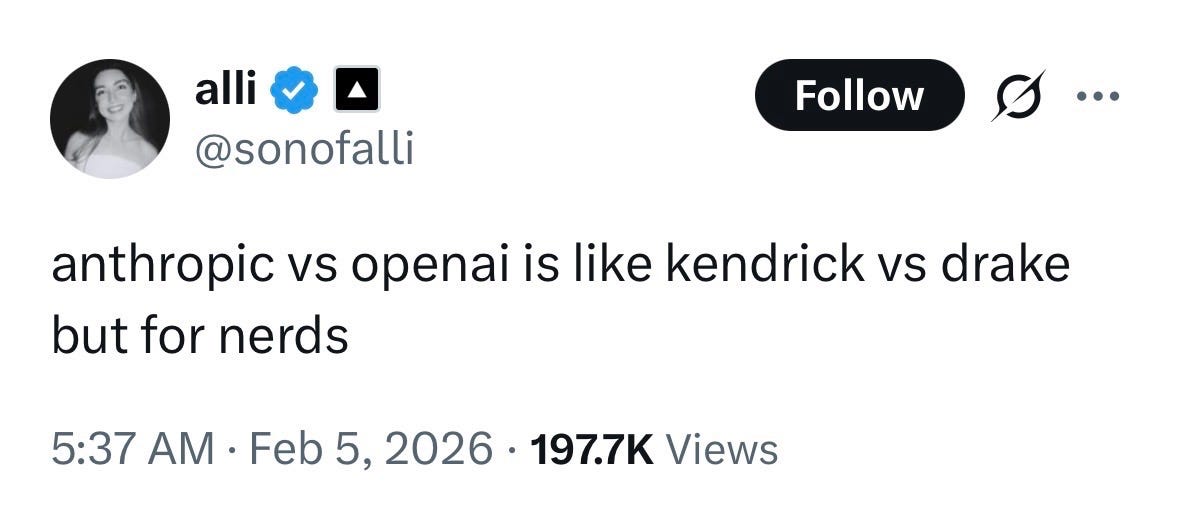
AI Tweet of the Week 🐦
(Bonus) Materials 🎁
Featured Materials 🎟️
Anthropic’s smartest Coding Model
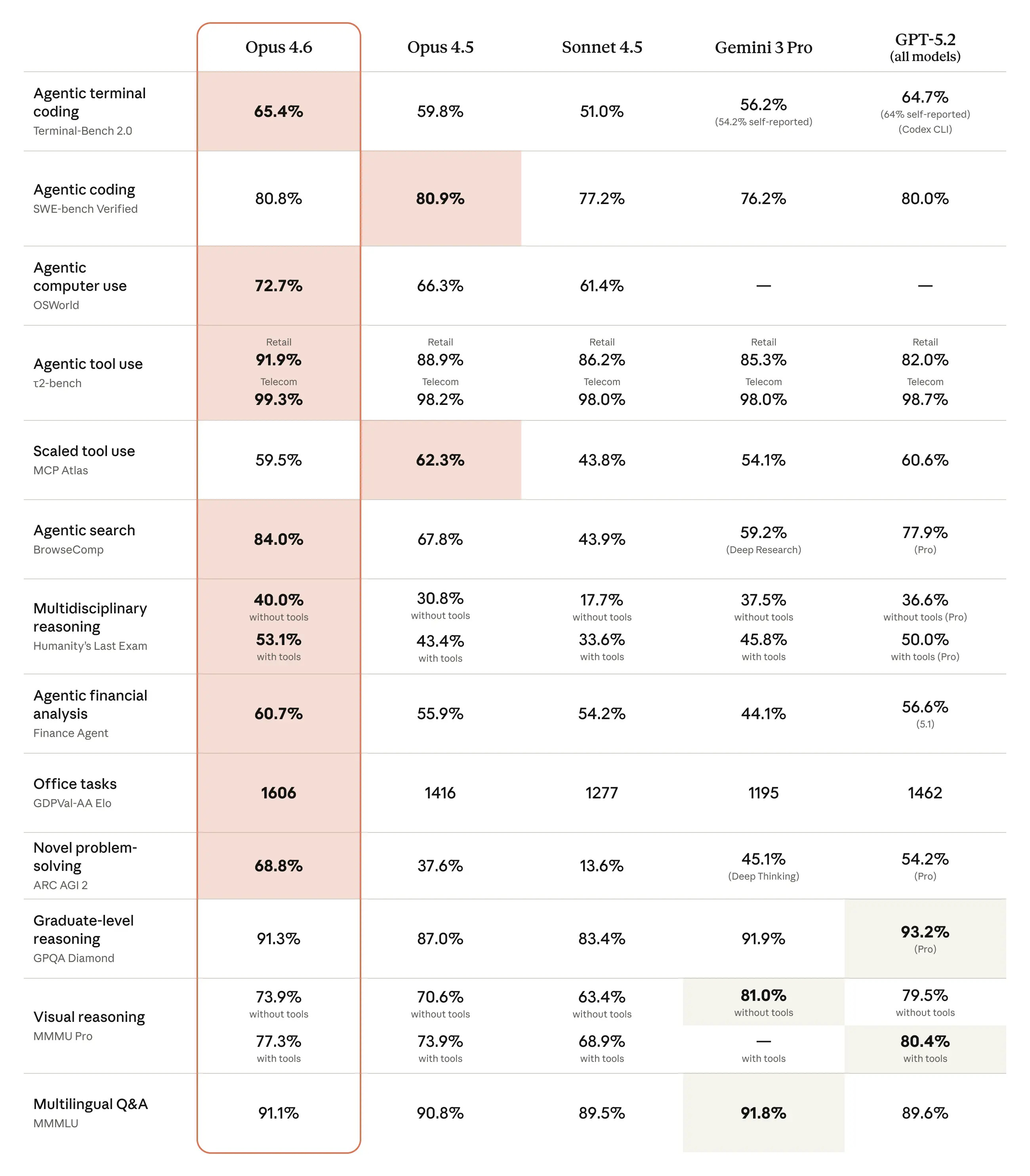
Anthropic introduced Claude Opus 4.6, and it’s their smartest model so far. According to devs, it plans better, sticks with tasks longer, handles massive codebases, and catches its own bugs during code review.
It tops Terminal-Bench 2.0 for agentic coding, leads on Humanity’s Last Exam (it’s a multidisciplinary reasoning test), and on GDPval-AA (real-world work tasks across finance, legal, and other fields), it beats OpenAI’s GPT-5.2 by ~144 Elo points and its own predecessor by 190.
However, in some tests, the model isn’t any stronger than Opus 4.5, and for multimodal and scientific tasks, it even slightly lags behind GPT-5.2 and Gemini 3 Pro.
Oh, and for the first time in an Opus-class model, you get a 1M token context window. Beyond coding, it deals with financial analysis, research, spreadsheets, presentations, and so on. Inside Cowork, Opus 4.6 will join you as an AI workforce.
Also, Claude Code now has agent teams (multiple AI agents working in parallel), and Claude in Excel got way better at planning and handling messy data.
They even launched Claude in PowerPoint in preview! That said, it builds slides, makes pinpoint edits, reads your layouts, fonts, and slide masters to stay on-brand.
Pricing stays the same: $5/$25 per million tokens. It is available to paid subscribers in Claude.
OpenAI Didn’t Give Anyone Time to Breathe
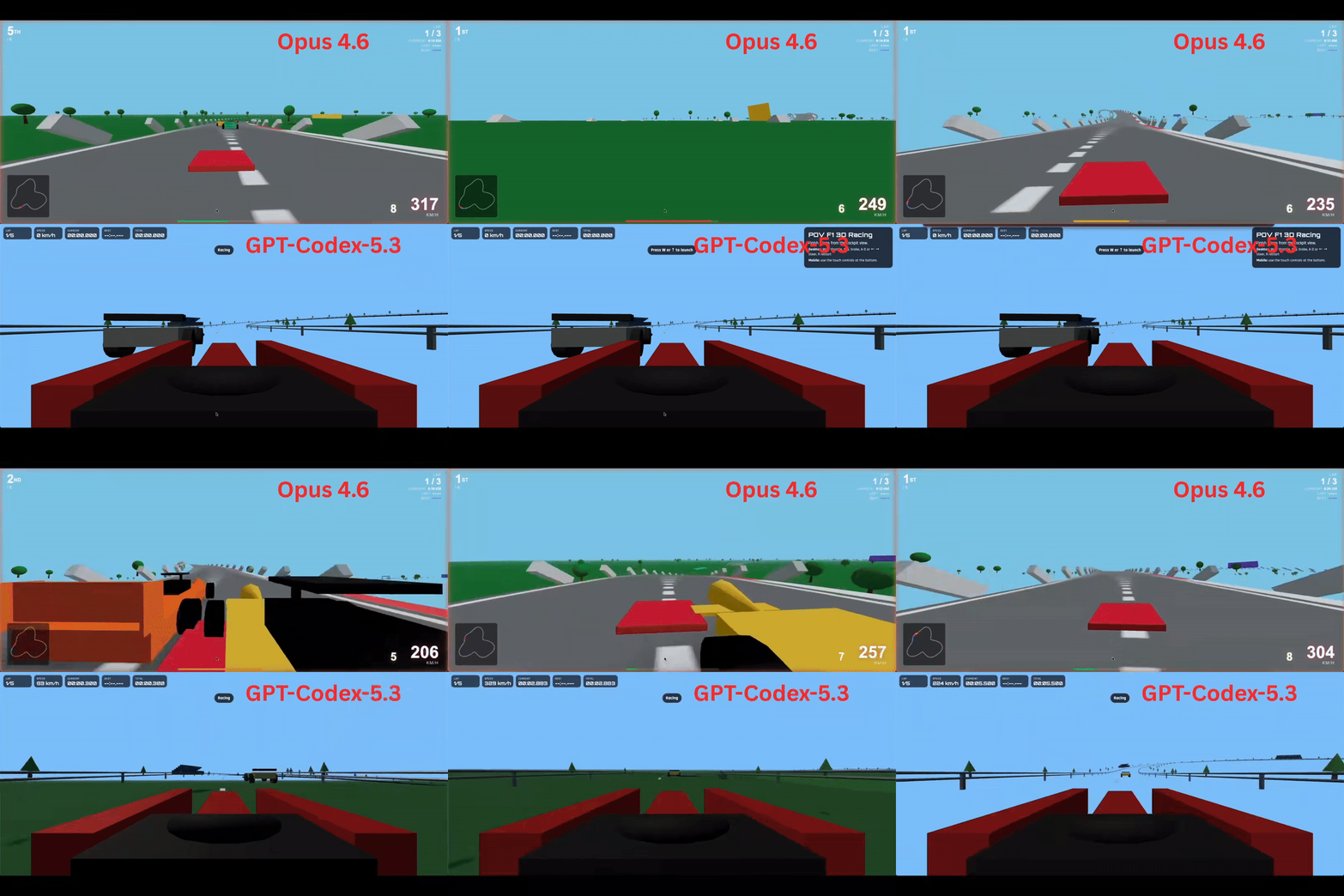
OpenAI, for its part, dropped GPT-5.3-Codex. Actually, they released the coding model even before the main GPT-5.3.
GPT-5.3-Codex is positioned as the most capable agentic coding model to date, combining the frontier coding chops of GPT-5.2-Codex with the reasoning and professional knowledge of GPT-5.2. What is more, this model literally helped build itself. The Codex team used early versions to debug its own training, manage deployment, and diagnose test results.
GPT-5.3-Codex shows leading performance in tests that measure real-world coding (SWE-Bench Pro), terminal skills (Terminal-Bench 2.0), and general computer work (OSWorld and GDPval). In short, it’s scoring higher than any previous model on the stuff that matters for getting actual work done.
The model also provides live updates, so you can ask questions and tweak approaches on the fly. It’s not just for coders either: the model handles PRDs, slide decks, spreadsheets, and data analysis.
By the way, it’s OpenAI’s first "High capability" model trained to identify vulnerabilities, and they’re dropping a $10M API credit program for cyber defense research.
Model is live in Codex (app, CLI, IDE, web) for paid ChatGPT users.
News of the week 🌍
Vectorize Everything
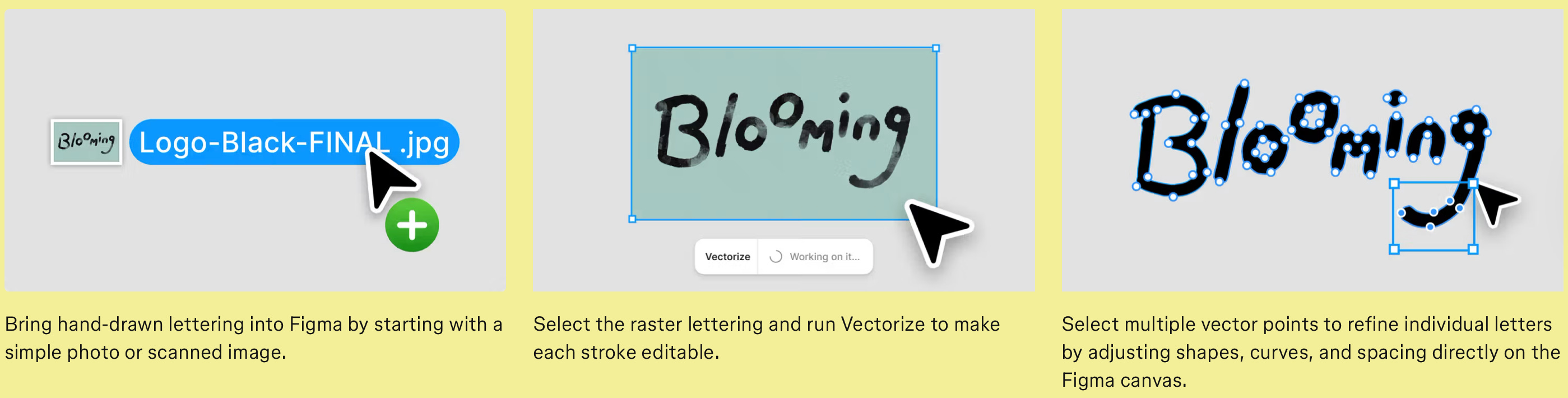
Figma just launched Vectorize. It’s an AI tool that turns ANY image into an editable vector format. You can throw:
logos
typography
icons
illustrations
interfaces
AI-generated art
and marketing materials
to tweak and scale without losing quality.
The team says it’s clutch for three main scenarios:
digitizing hand-drawn illustrations
working with hand-lettering (every stroke becomes editable)
and creating textures and overlays
Vectorize joins Figma’s growing AI toolkit alongside Remove background, Erase object, and Expand image.
Users with full access can use the tool in Figma Draw and Design.
Alexa Is No Longer Just a Speaker
Amazon’s AI-powered Alexa+ is now available for all U.S. customers (and it’s free for Prime members). This puts Amazon in the same ring as ChatGPT, Google’s Gemini, and Claude, because you can use Alexa+ through any web browser at Alexa.com.
It handles natural conversations with follow-ups, plans trip itineraries, manages shared calendars, saves recipes, helps with homework, and even books dinner reservations or Uber rides through integrations with Ticketmaster, OpenTable, Expedia, and others.
During beta testing (one year-long), music streams jumped 25% after people upgraded, and recipe engagement saw 5x growth. Overall, people are having 2-3x more conversations with Alexa+ compared to the old version.
Non-Prime users can still try Alexa+ for free on web and mobile with some limits, or pay $19.99/month for full standalone access (same price as ChatGPT Plus).
Kling 3.0 Is Closing the Gap on Sora

Kling unveiled version 3.0, and it’s merging their previous 2.6 model with their video editor O1 into one beast. Now you can add or remove objects from scenes, generate speech and dialogue in multiple languages (with accents and dialects), and keep character appearances consistent throughout. Max length is 15 seconds.
The visual quality is on par with Sora 2 and Veo 3.1, as shown in the examples. And the big update here is frame consistency. Generated subjects don’t morph halfway through.
Also, you can upload a video and ask Kling to extract audio, specific frames, or details, then reproduce them in your generated clip. Text rendering got way better, too. Signs and captions stay solid with sharp fonts, so you can embed brand colors, logos, and product details. Multi-scene generation now works without breaking the core logic of your video.
Already live for Ultra subscribers.
Deep Research Got Smarter
Perplexity upgraded their Deep Research tool to run on Claude Opus 4.5, and they’re claiming it beats every other deep research agent out there.
This thing now generates full analytical reports with fact-checking and proper citations across multiple domains. Every Deep Research query runs on the same agentic setup to keep quality consistent.
They also open-sourced a new benchmark called DRACO (Deep Research Accuracy, Completeness, and Objectivity) to back up their claims. Unlike academic benchmarks that test isolated skills, DRACO evaluates real-world research across verticals where actual decisions get made (finance, legal, health, shopping, tech, science).
Max users can use it immediately (with higher usage limits).
Real-Time Voice Transcription
Mistral introduced Voxtral Transcribe 2. This is their new speech-to-text lineup with two models: one for batch transcription and one for real-time.
The cool thing is that Voxtral Realtime can transcribe speech in under 200 ms, which means live voice apps, agents, and subtitles without any awkward delays. It also does clean speaker diarization, multilingual support (13 languages), and runs efficiently enough to be deployed on-edge for privacy-sensitive use cases.
What makes this special isn’t just accuracy, it’s price + speed + control in one package. Voxtral Mini Transcribe V2 costs $0.003/min, and undercuts most big-name APIs. The company also shipped a new audio playground in Mistral Studio, so you can just drop in audio, toggle diarization, timestamps, and test things.
Useful tools ⚒️
CreateOS -Build and deploy apps from any AI coding tool, in one place
Helply - 65% AI resolution rate in 90 days, or you pay nothing
Lightfern for Email - The telepathic AI writing tool
Heuris - Claude meets Wikipedia, for curious people
Nexuscale AI - AI sales assistant that finds leads + books meetings for you
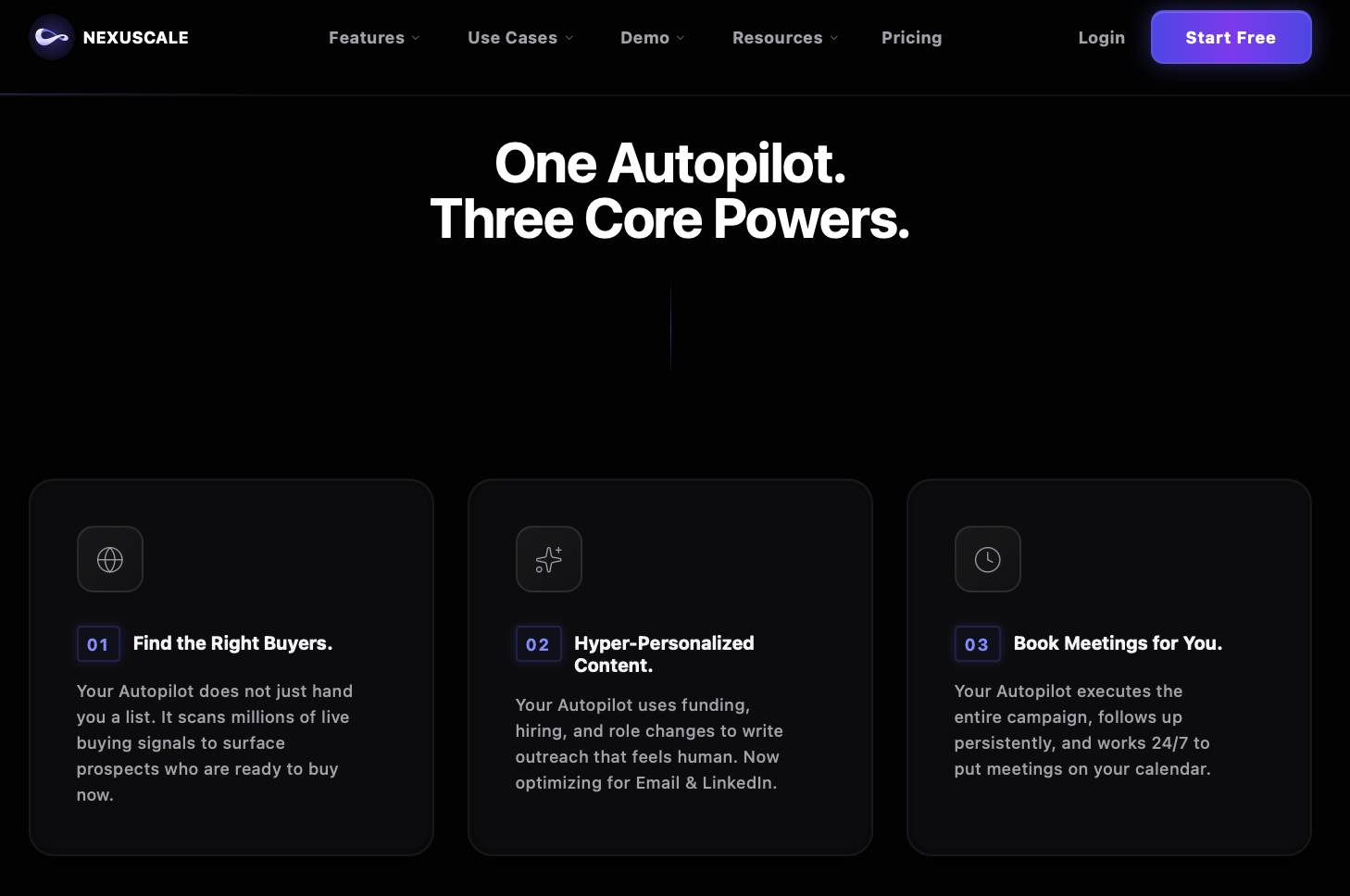
Nexuscale AI runs your outbound sales for you. You drop in your website, and it finds leads, personalizes emails and LinkedIn messages, and books meetings automatically. It replaces a whole stack of sales tools with one system, so you spend less time setting things up and more time talking to real prospects.
Weekly Guides 📕

OpenClaw AI FULL 6 Hour Course
Claude in Excel: Anthropic’s AI Excel Assistant
AI Meme of the Week 🤡

AI Tweet of the Week 🐦
Bonus Materials 🎁
The Adolescence of Technology - to read the CEO of Anthropic’s reflections on the dangers, risks, and responsibilities of artificial intelligence development
The AI Doc: Or How I Became an Apocaloptimist - to find out about a documentary on the future with AI
Why Your Al Learning Projects Keep Fizzling Out - to learn where AI agents currently fall short in providing a meaningful learning experience