

Hello friends!
Creators are making the most of AI. Crucially, 87% of them now integrate AI into their workflows, with 91% having used it for content production and 92% of marketers commissioning AI-assisted creator work.
This transformation isn’t just experimental; it generates sustainable revenue. Creators using AI tools report a 60% engagement boost, while AI-enhanced content formats generate ROI multiples of 520% to 890%!
Amid these numbers, a new trend is taking off: AI-created personalities that are rapidly multiplying online. These digital clones, powered by AI, entertain, educate, and support.
The global virtual influencer market alone was valued at $6.06 billion in 2024 and is expected to reach $45.88 billion by 2030, growing at a staggering 40.8% CAGR between 2025 and 2030.
For influencers, these so-called synthetic personalities aren’t just a support tool or a low point in customer service; they are the business itself.
Today, let’s break down how this works and how this shift could be useful for your own business.
The Rise Of AI Influencers
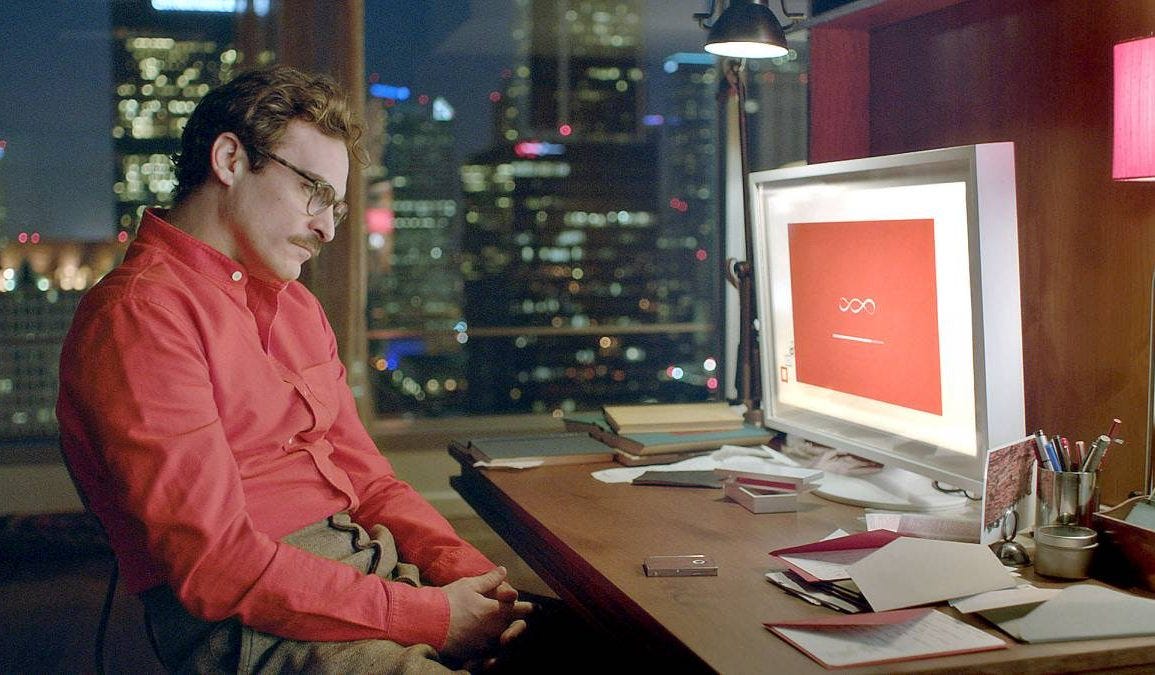
From the film Her to a real collection of people falling for AI, confessing their secrets to ChatGPT, and forming emotional bonds with digital entities, all of these point to one thing: the growth of AI platforms is deeply emotion-driven.
People show a high willingness to pay for interaction, not just passive consumption. They turn to AI to solve various problems and treat chatbots as personal assistants, confidants, and sometimes even therapists.
Most of us, at some point, used it in a more personal way at least once
And now, stars are cashing in. In an environment like this, monetization improves as engagement goes up and marginal human cost goes down.
As AI personas continue to evolve, creators are actively exploring opportunities with digital twins. Research from Billion Dollar Boy shows that 85% of creators are open to building a digital twin in partnership with a brand for marketing purposes.
Zooming out even further, investment in digital twin technology is accelerating worldwide. Projections suggest it could grow by 60% annually over the next five years, reaching an estimated $73.5 billion by 2027.
It’s becoming the infrastructure for something that has no clear legal or social framework yet, but has enormous potential in the eyes of influencers.
AI Video Breakthroughs and Why Consumers Are Trusting Them
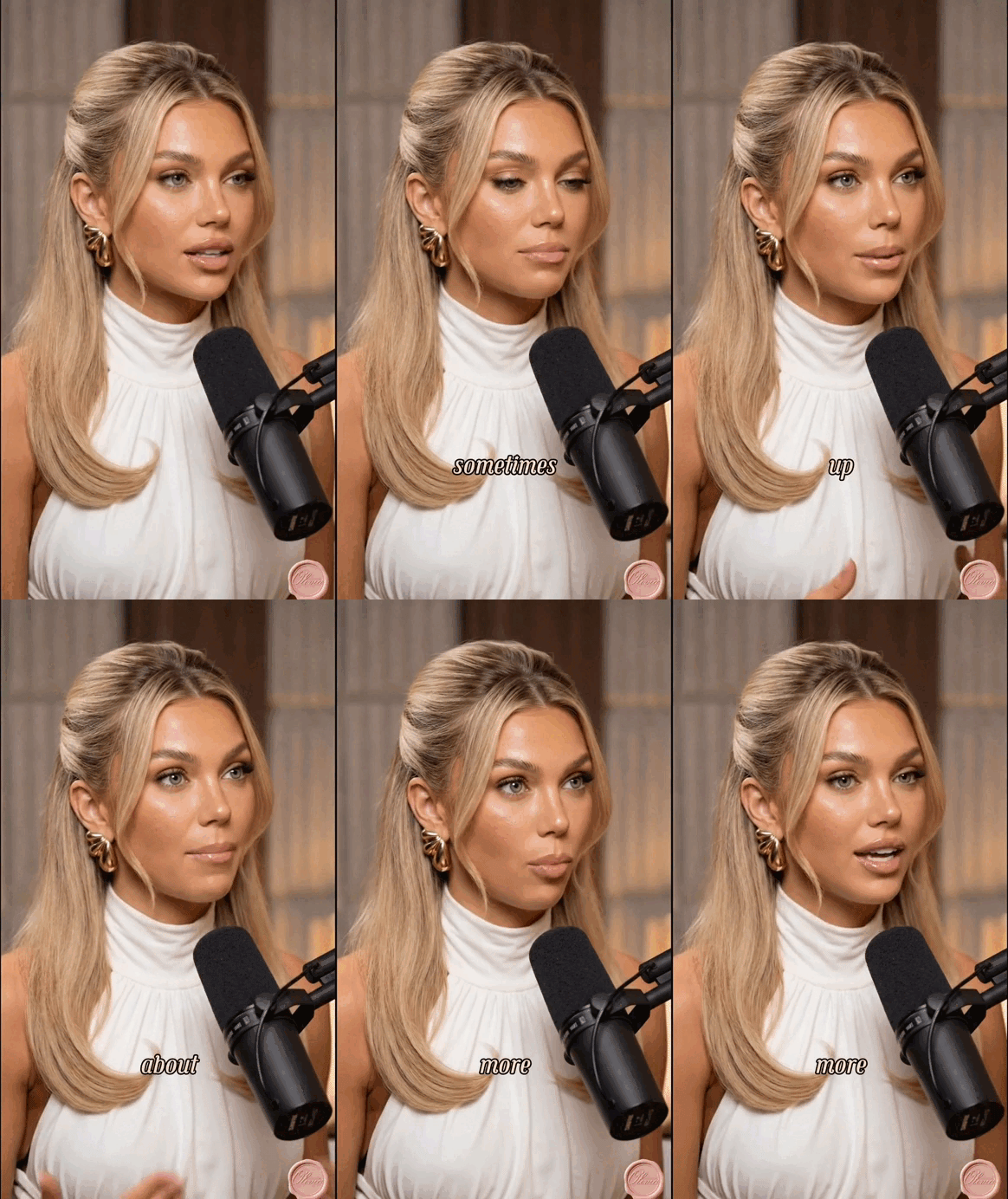
We’ve been following the upscaling in AI in AI video, voice, intonation cloning, and motion capture that now make it possible to create human-like videos without filming every single time, and even across multiple languages.
Brands are using this to create ads and social content faster than ever, while creators can produce more content with far less effort.
New independent research from Billion Dollar Boy shows just how far this shift has gone. The study surveyed 4,000 consumers, 1,000 creators, and 1,000 marketers across the US and the UK, and the results are telling that
76% of consumers say they trust virtual influencers when it comes to product recommendations
68% say they would rely on them to inform purchasing decisions
In other words, virtual influencers are no longer just a gimmick. They’re building real credibility, growing loyal audiences, driving engagement, and establishing authority in specific categories.
This shift is backed by serious capital. Investment in digital twin technology is expected to grow by around 60% annually over the next five years, reaching an estimated $73.5 billion by 2027.
The Chatbots Are Taking Over: Successful Cases
While we’re still trying to wrap our heads around AI, influencers are already squeezing every last drop out of it. Even though it gets tougher for everyone to control their image and voice.
$99 a Month for an AI Coaching App
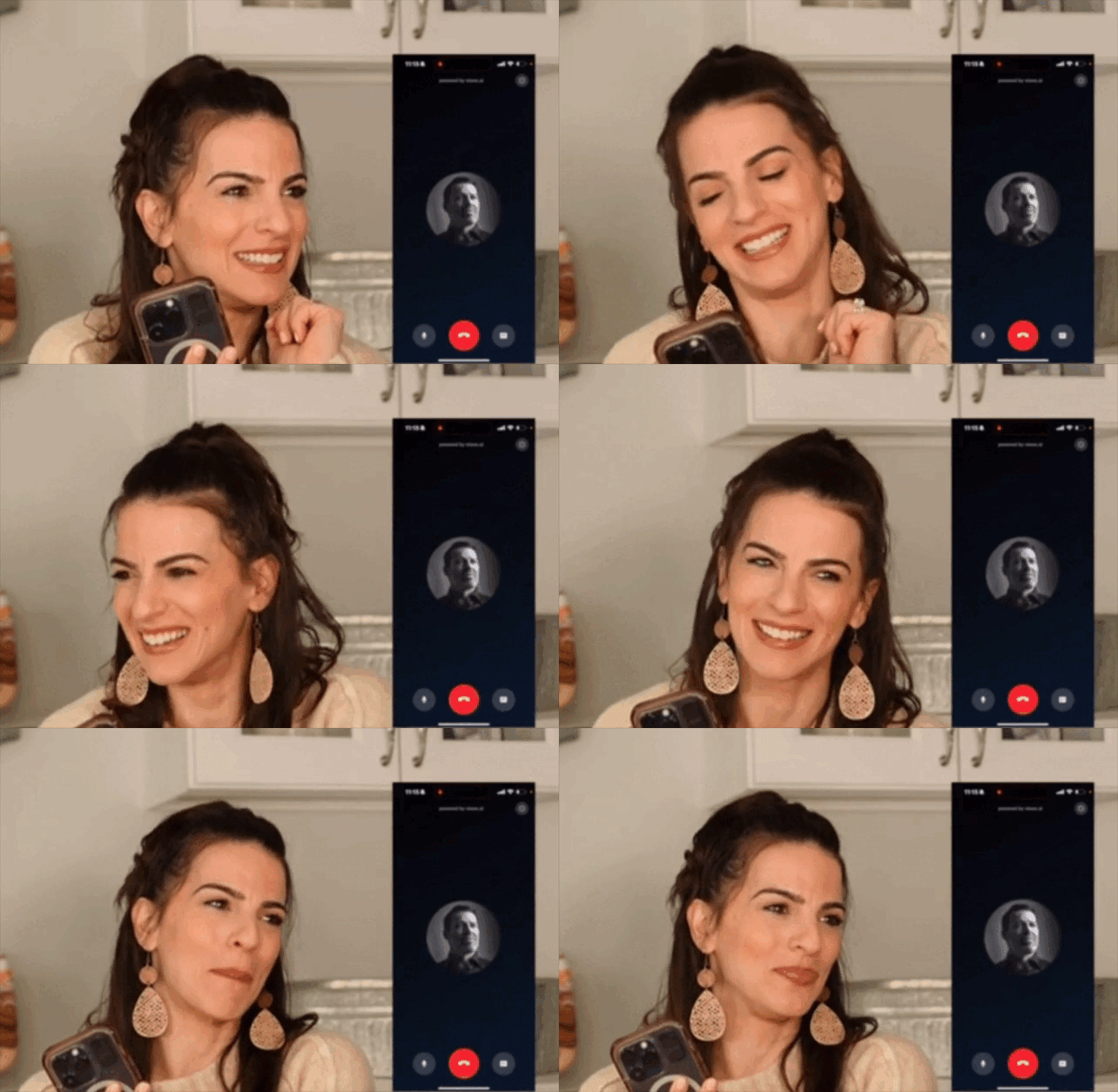
Tony Robbins, a motivational speaker and life coach, has launched his brand-new AI coaching app, which is built from his talks, books, and interviews.
Users interact with a chatbot that replicates Tony's exact voice, energy, and strategies, delivering voice-driven coaching sessions trained on decades of his content.
Honestly, when I learnt about this, my first thought was: I could just dump all his books into NotebookLLM and turn his advice into a podcast FOR FREE.
Anyway, Robbins’s approach is to push the limits of one-on-one coaching, letting him democratize access to his high-level expertise. This way, he is making knowledge accessible and changing the way we communicate, according to his team.
The app gives instant access to Robbins’
frameworks
tools
methods.
It’s all tailored to your personality. On top of that, the AI learns from you, constantly improving to meet your needs.
Obviously, the goal is profit. Look at the sales pitch: it’s essentially selling emotional dependency. I highlighted the “Tony in your pocket” and “I ask questions I wouldn’t say out loud” lines on his website that is clear authority bias in action.
